A New Dawn for UK's Scientific Research Communities
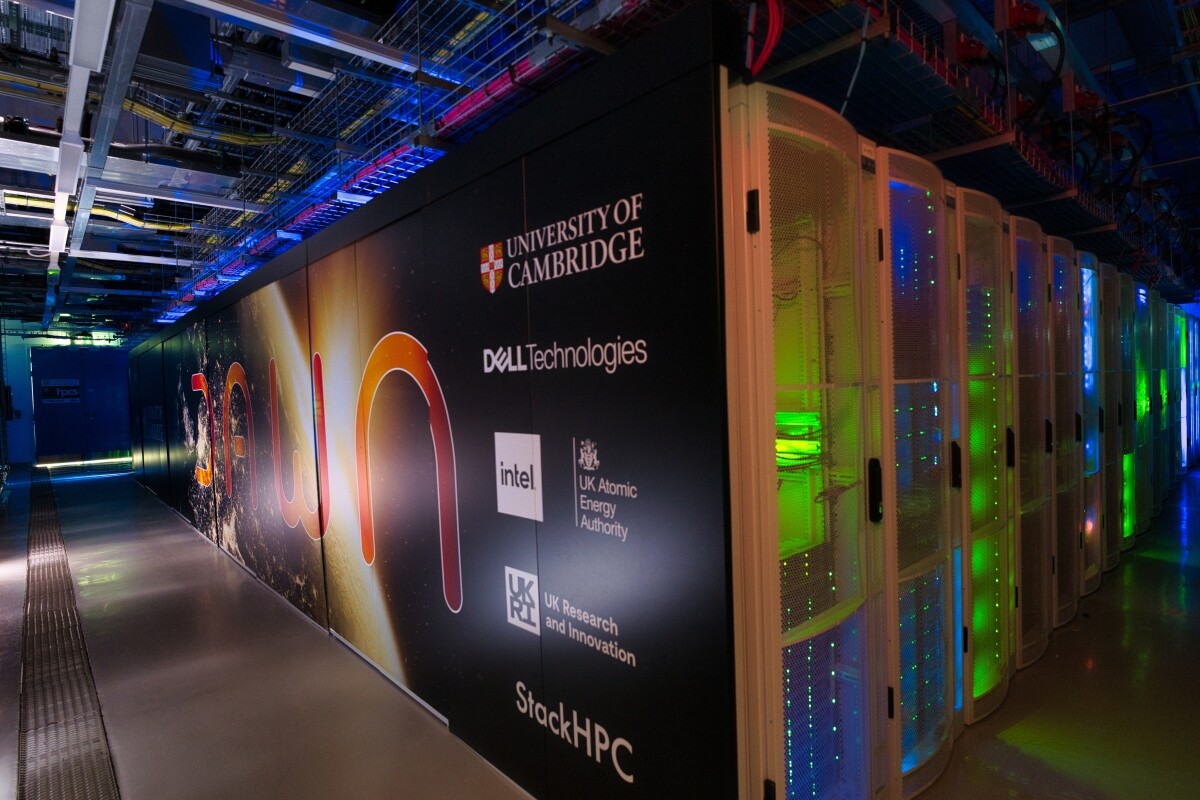
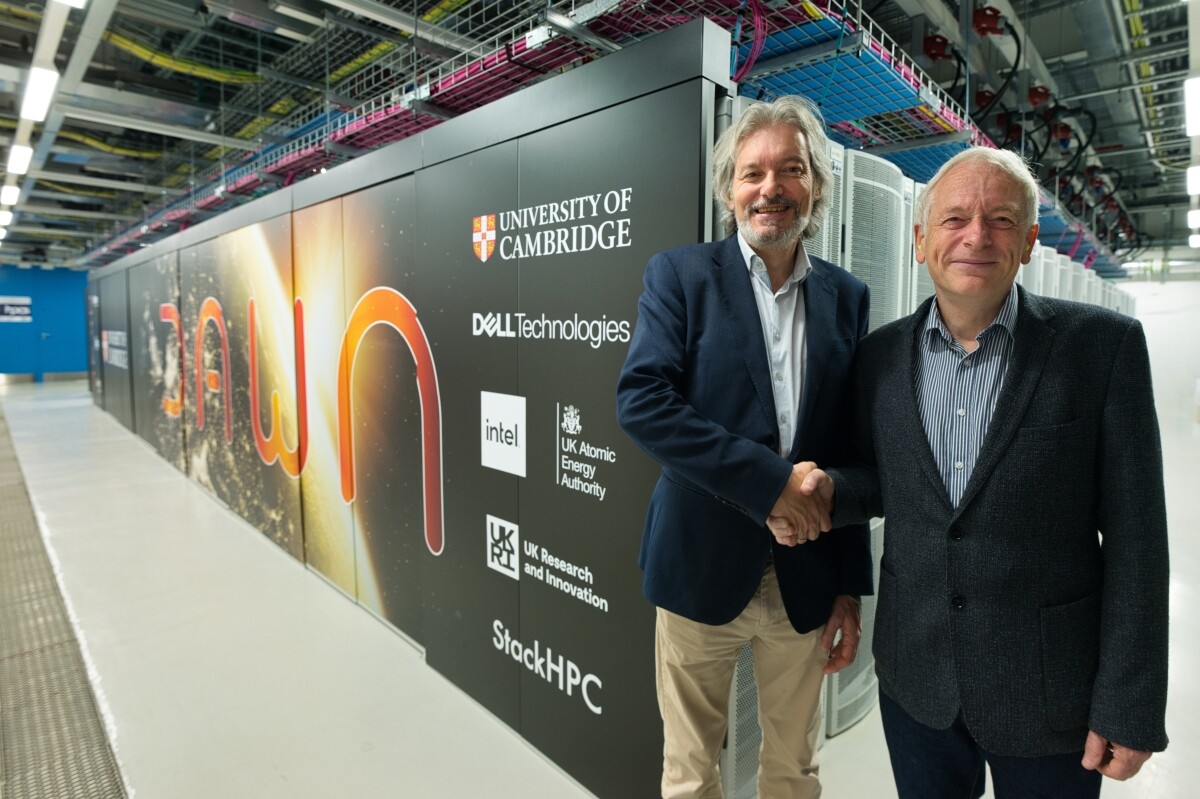
Dell Technologies, Intel, and the University of Cambridge have announced the deployment of the co-designed Dawn Phase 1 supercomputer. This supercomputer, which combines artificial intelligence (AI) and high-performance computing (HPC), aims to tackle some of the world's most pressing challenges. The collaboration sets the stage for future UK technology leadership and investment in the UK technology sector. Dawn is a key component of the recently launched UK AI Research Resource (AIRR), which will explore the feasibility of associated systems and architectures. The supercomputer brings the UK closer to achieving exascale computing, with a compute threshold of one quintillion floating point operations per second.
"Dawn significantly enhances the scientific and AI compute capability in the UK. It is currently operational at the Cambridge Open Zettascale Lab. The Dell PowerEdge XE9640 servers provide a powerful platform for hosting the Intel Data Center GPU Max Series accelerator, which offers choice through oneAPI. I am excited to see the early science that this machine can deliver and to strengthen the partnership between Dell Technologies, Intel, and the University of Cambridge," said Adam Roe, EMEA HPC Technical Director at Intel.
Dawn is the result of a co-design partnership between Dell Technologies, Intel, the University of Cambridge, and additional investment from UK Research and Innovation. It is currently the fastest AI supercomputer in the UK and will support large workloads in academic research and industrial domains. The supercomputer will be used in various fields, including healthcare, engineering, green fusion energy, climate modeling, cosmology, and high-energy physics.
Dawn Phase 2 and the UK AI Research Resource
"Dawn Phase 1 represents a significant advancement in AI and simulation capability for the UK. It is already deployed and ready to use. This co-design activity aims to deliver a Phase 2 supercomputer in 2024, which will provide ten times the performance. Dawn Phase 2 would greatly enhance the UK's AI capability and continue this successful industry partnership," said Dr. Paul Calleja, Director of Research Computing Services at the University of Cambridge.
Dawn Phase 1, along with the previously announced Isambard AI supercomputer, will form the UK AI Research Resource (AIRR). This national facility will help researchers maximize the potential of AI and support critical work on the safe use of the technology. Supported by UK Research and Innovation (UKRI), Dawn will significantly increase the country's AI and simulation compute capacity, accelerating research discovery and driving growth in the UK knowledge economy.
Technical Details and Performance
The Dawn supercomputer is based on Dell PowerEdge XE9640 servers, which offer versatile configuration options and liquid cooling technology. This server system is well-equipped to handle the demands of AI and HPC workloads. The direct liquid cooling technology provides a more efficient and cost-effective solution compared to traditional air-cooled systems.
Each PowerEdge XE9640 server combines two 4th Gen Intel Xeon Scalable processors and four Intel Data Center GPU Max accelerators, delivering high performance and efficiency for solving real-world scientific problems. The system utilizes Scientific OpenStack from UK SME StackHPC, which provides an AI- and simulation-optimized cloud supercomputing software environment. The oneAPI open software ecosystem and optimized frameworks help developers accelerate AI and HPC workloads and enhance code portability across multiple hardware architectures.
Technical details and performance numbers for Dawn Phase 1 will be released during the Supercomputing 23 (SC23) conference in mid-November in Denver, Colorado.