AMD "Medusa Point" APU: Early Benchmarks Reveal Impressive Performance
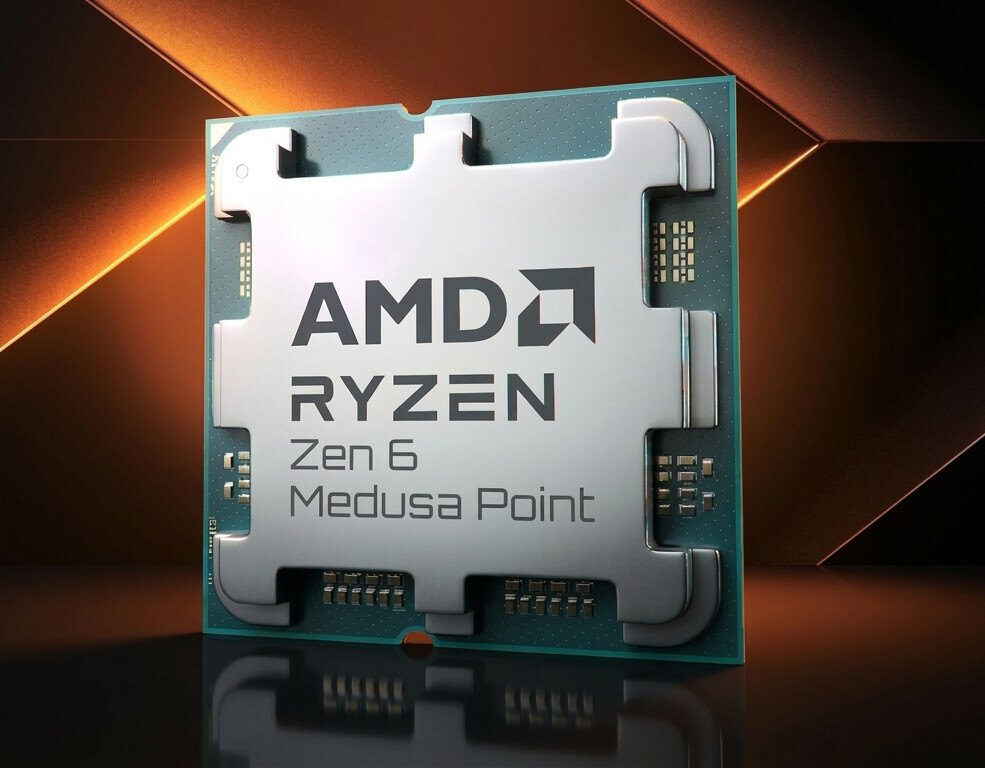
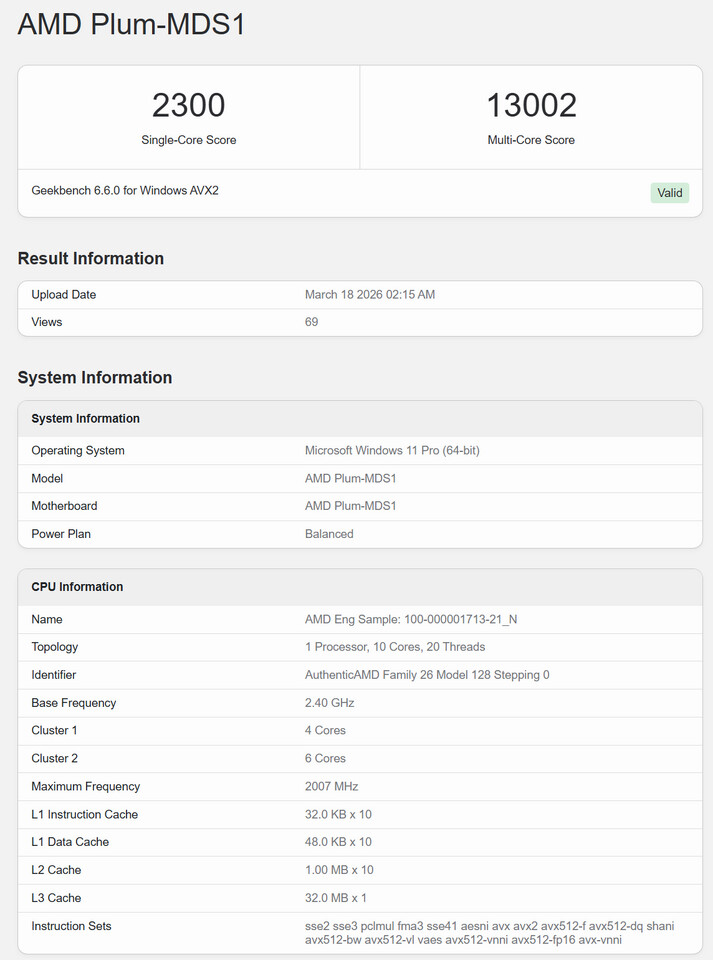
AMD is gearing up for the release of its highly anticipated "Medusa Point" APU, expected to debut in early 2027. As development progresses, new benchmark results are providing a glimpse into the capabilities of this next-generation system-on-chip (SoC). Recent Geekbench 6 results highlight the performance potential of AMD’s upcoming 10-core, 20-thread "Zen 6" processor, which appeared under the engineering sample identifier 100-000001713-21_N.
Benchmark Results: Surpassing Expectations at Lower Frequencies
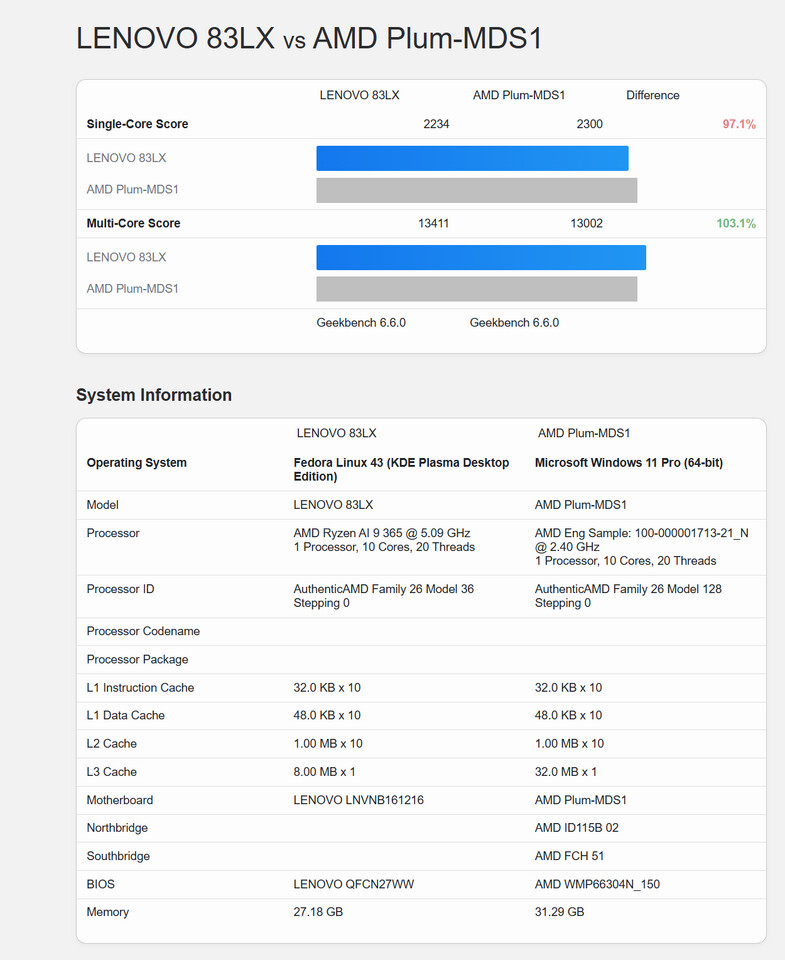
In the latest Geekbench 6 test, the "Medusa Point" APU achieved a single-core score of 2,300 and a multicore score of 13,002. Notably, these results were recorded while the chip operated at a base frequency of just 2.4 GHz, with actual benchmark frequencies ranging between 2.0 and 2.1 GHz. Despite these modest clock speeds, the performance is on par with, and in some cases exceeds, that of the AMD Ryzen AI 9 365 "Strix Point" APU—a chip with the same core and thread count but running at more than twice the frequency.
When comparing the two processors, "Medusa Point" delivers slightly lower single-core performance but manages to outperform "Strix Point" in multicore tests. This result is particularly impressive given the significant difference in operating frequencies.
Zen 6 Architecture: Efficiency and IPC Improvements
The strong showing from "Medusa Point" can likely be attributed to architectural advancements in the "Zen 6" cores. Compared to the previous "Zen 5" architecture found in "Strix Point," "Zen 6" is expected to deliver high single-digit to low double-digit improvements in instructions per cycle (IPC). These gains, combined with new instruction sets and optimizations, are likely driving the notable performance increases observed in early benchmarks.
Additionally, the engineering sample was seen running AVX-VNNI instructions in FP16 precision, suggesting that "Medusa Point" may offer accelerated performance for workloads that benefit from lower-precision floating-point operations. This could be particularly advantageous for AI and machine learning applications, where efficiency and throughput are critical.
Looking Ahead: What to Expect from AMD’s Next-Gen APU
While these early results are promising, the full capabilities of the "Medusa Point" APU will become clearer as more benchmarks and real-world tests emerge in the coming months. With an official launch anticipated around CES 2027, there is still ample time for further optimizations and refinements before the chip reaches consumers. As AMD continues to innovate with its "Zen 6" architecture, the "Medusa Point" APU is shaping up to be a significant step forward in performance and efficiency for next-generation computing platforms.